


I consider myself a textbook example of the chronically online. In first grade, I ignored the social media age guidelines and made my first Facebook account. Since then, I’ve been paying close attention to whatever trends—from rage comics to surreal memes—captured the online audience.
Being online served me well in my formative years. I easily made friends by parroting jokes I’d heard on Vine, TikTok, or whatever video platform was dominant at the time. I boasted about having multiple online friends—people from all over the world who shared my hobbies and interests. Being chronically online was a title I wore proudly.
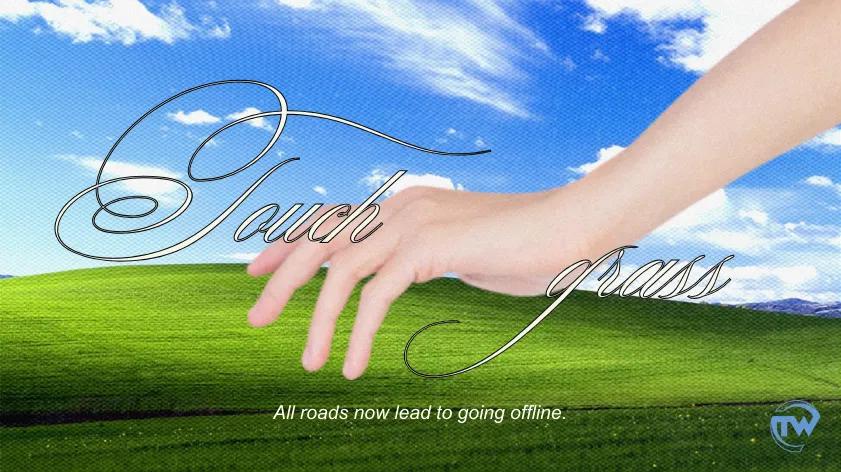
But over the past few years, I have come to shed that identity. My social media feeds are now full of MP3 players and cameras for sale, books to read instead of doomscrolling, and apps that limit screen time, while inactive accounts plague my follower lists. All roads now lead to going offline.
From chronically online to offline.
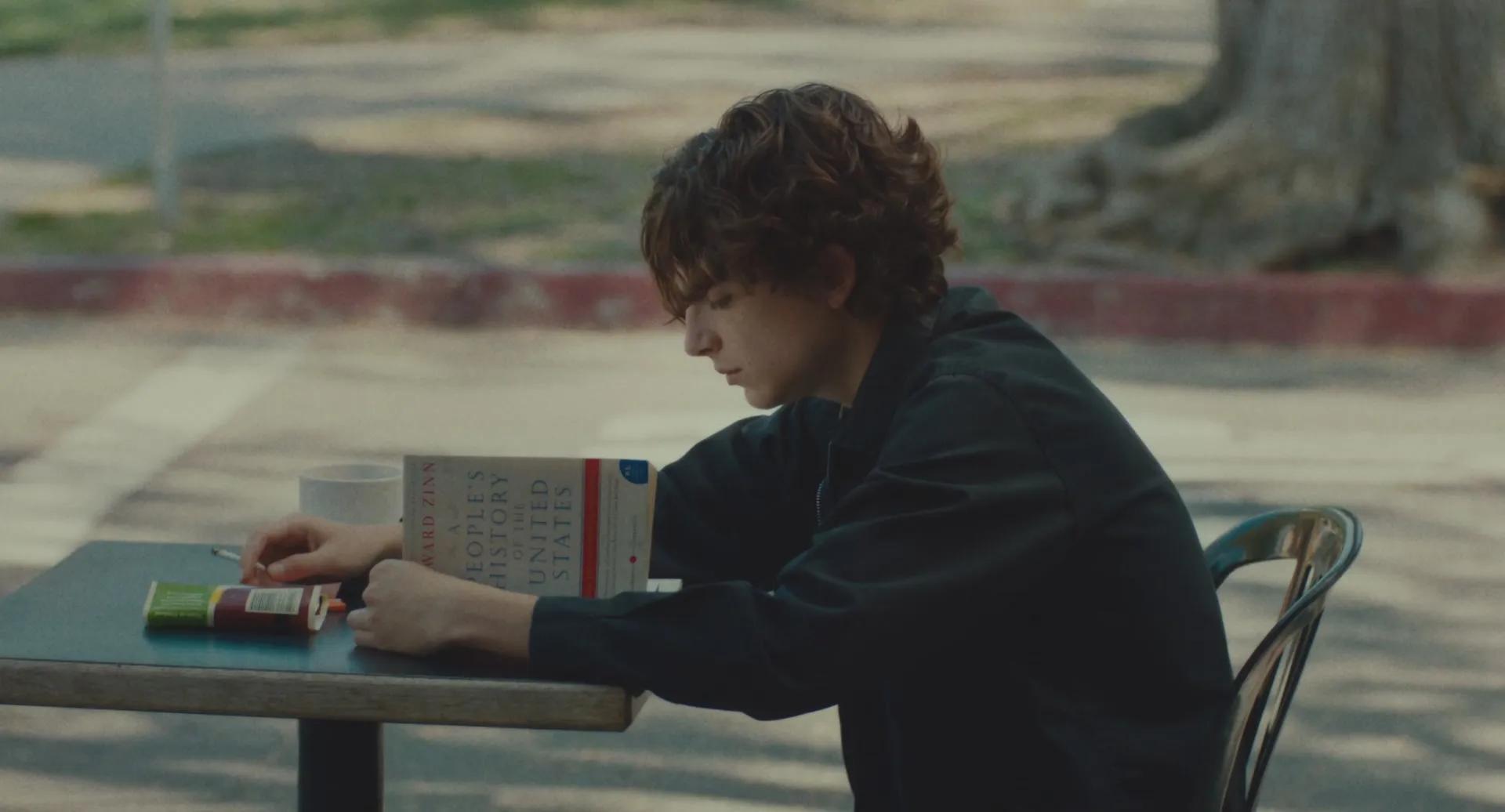
(Photo from Lady Bird (2017))
Logging off from social media is nothing new. Multiple studies suggest that prolonged screen exposure can lead to physical, mental, and behavioral deterioration. As such, many people choose to go on a “digital detox,” limiting their exposure to digital screens.
But the current move to disconnect goes beyond health. In the words of pop artist Caroline Polachek, being offline is “the sexiest thing ever.” Disconnection has become attractive. The mystery of someone’s blank Instagram page might indicate a life filled with hobbies that don’t need documenting. That said, someone offline can be more desirable than a chronically online partner, as a Vogue article argues.
This offline movement has slowly been taking over the current cultural conversation. Before the “performative male” jokes spread, everyone was trying to be that person who reads books, collects vinyl records, and uses film cameras. It’s meme material now, but these stereotypes represent our pursuit of hobbies beyond digital screens.
It’s hard to discount the fact that the internet has simply become exhausting. Gone are the days when social media was filled with friends and family; now, we trudge through “slop.” This refers to content designed to be addictive, encouraging users to scroll endlessly. It’s accessible entertainment, but it's also been linked to shorter attention spans and poorer cognitive function. Thus, many opt to log out and avoid further exposure.
The cost of going offline
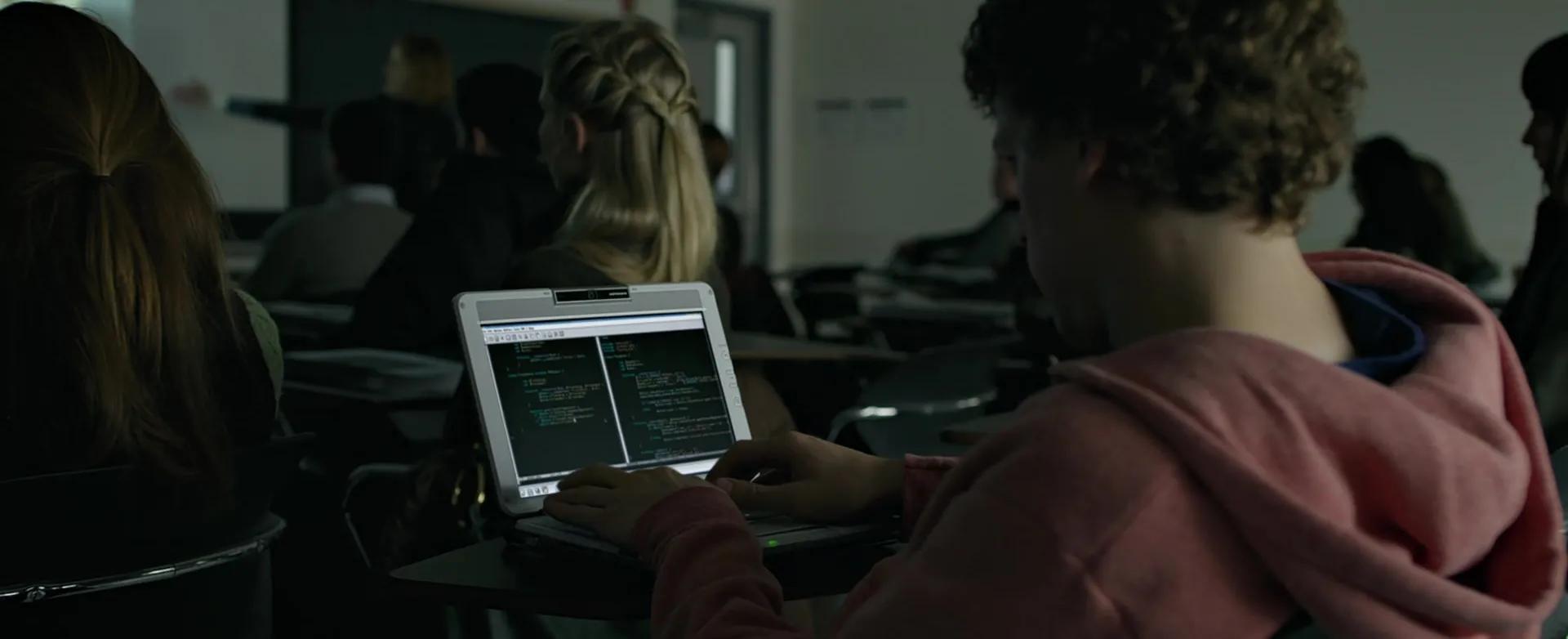
(Photo from The Social Network (2010))
Disconnecting from the digital world is an attractive premise. It would do wonders for our mental health to step back from our phones, and with its new status as a social indicator, there are hardly any downsides to going offline. However, it’s a luxury only a few can afford.
Much of our lives depends on our phones and the internet. We rely on technology to connect with family, access work and school documents, and even pay for groceries. Phones enable convenience—but they also blur the boundaries between work and personal life. We’re expected always to pick up the phone in the name of productivity, and we risk so much if we decide otherwise.
Even for those who can afford to take time off work or school, going offline is expensive. If a smartphone has 20 functions, it could take at least 20 different devices to replace each of them. The offline trend propelled the revival of analog devices. Old iPod models and digital cameras are gaining popularity as people move away from smartphones. But these products are costly. Thus, people end up having to choose between spending money and spending too much time on screens.
There are reasons to go offline beyond being cool. Our minds and bodies could all use a break, and we’d have more time to focus on our connections with others. Since our lives are so intertwined with our phones and the internet, we tend to waive the consequences—physical or mental—of overexposure. Yet stepping away from the digital world can be freeing, and it doesn’t have to happen instantly.
Going offline doesn’t have to be a total disconnection from the world. It can be a short period each day when you get to engage in actual conversation, read a book, or pursue other hobbies. Disconnection should reconnect you to the real world, and the labels that come with it are merely afterthoughts.








Comments
Loading comments...
Leave a Comment